

Deciding what to eat during a fast can sometimes be more challenging than the fast itself. You might have sabudana khichdi for breakfast, makhana as a snack and potatoes for lunch, only to realise that your options are starting to feel repetitive.
Whether you are fasting during Navratri, Ekadashi, on Mondays or Thursdays, or on another religious occasion, having a variety of falahari recipes can make meal planning much easier.
The good thing is that vrat ka khana does not have to be limited to sabudana khichdi and boiled potatoes. Ingredients such as makhana, kuttu, singhara, samak rice, paneer, yoghurt and fruits offer plenty of options for preparing satisfying meals, snacks and desserts.
The key is to experiment with different combinations, textures and flavours while following the food rules. From savoury chillas and pulao to crunchy fruit chaat and creamy desserts, here are some easy recipes to add variety to your fasting menu.
Easy Vrat Recipes That Do Not Feel Boring
The easiest way to make your food list more interesting is to change the format, not just the ingredients. Potatoes can become chaat, a filling or a side. Makhana can go into a savoury snack or a dessert. Fruits can become chaat, yoghurt bowls, parfaits or crunchy toppings.
These easy recipes can be adapted for different fasting occasions, depending on the ingredients permitted in your fast.
1. Crunchy Fruit Chaat With Mango
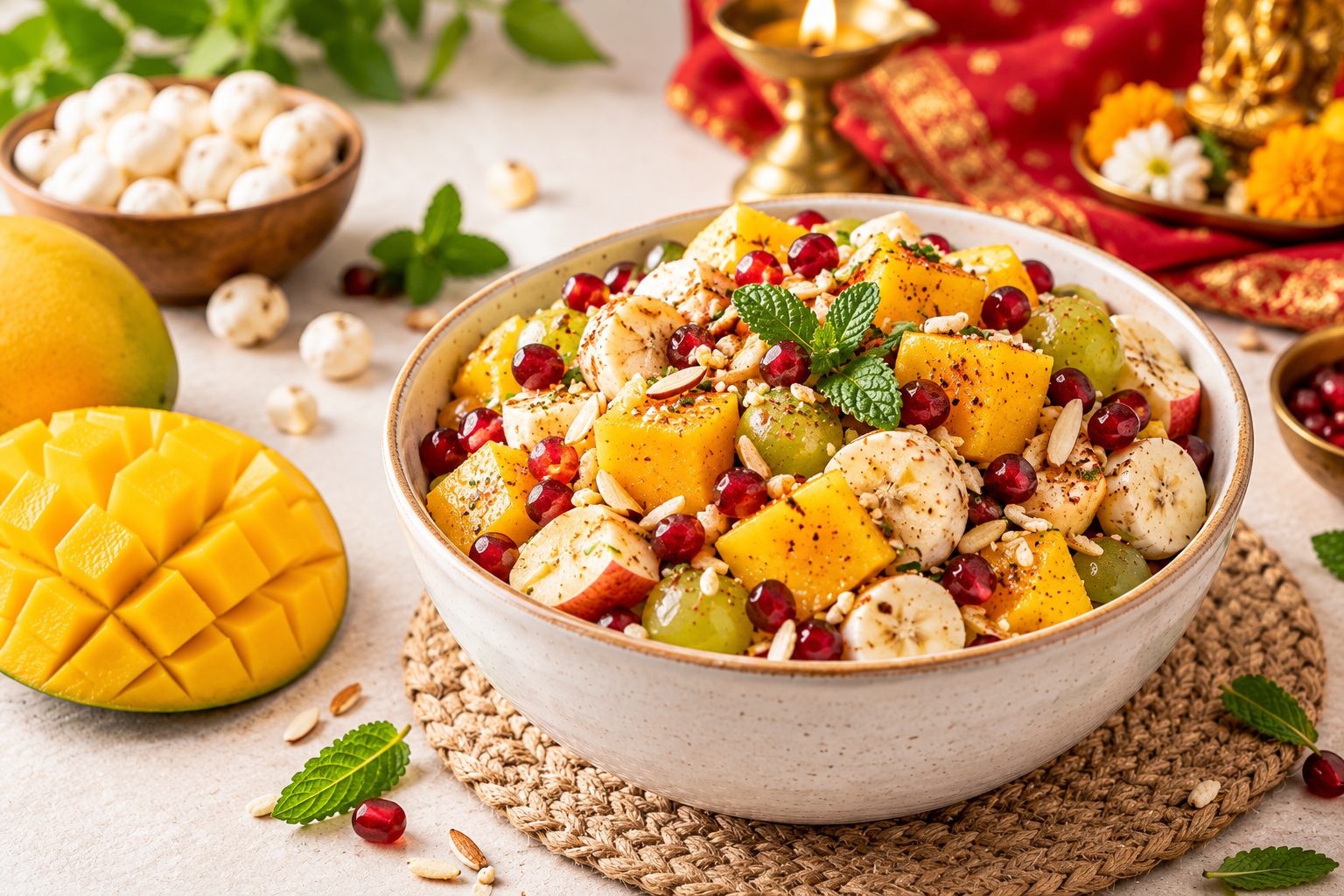
Fruit is one of the easiest ways to break the monotony of heavier meals, but a bowl of chopped fruit can sometimes feel a little predictable. Try giving it a crunchy element.
Combine diced apple, banana, pomegranate and a few grapes. Add lemon juice, roasted cumin powder and sendha namak (pink salt). Just before serving, add pieces of freeze dried mango.
Why add them at the end? Fresh fruit contains plenty of moisture, while freeze dried fruit has had more than 95% of its water removed. It therefore gives the fruit chaat a crisp texture instead of adding another soft or juicy component.
You can use mango cubes or break larger pieces into smaller bites. The intense mango flavour also works nicely with the tanginess of lemon and roasted cumin.
2. Falahari Yoghurt Cups With Strawberry Crunch
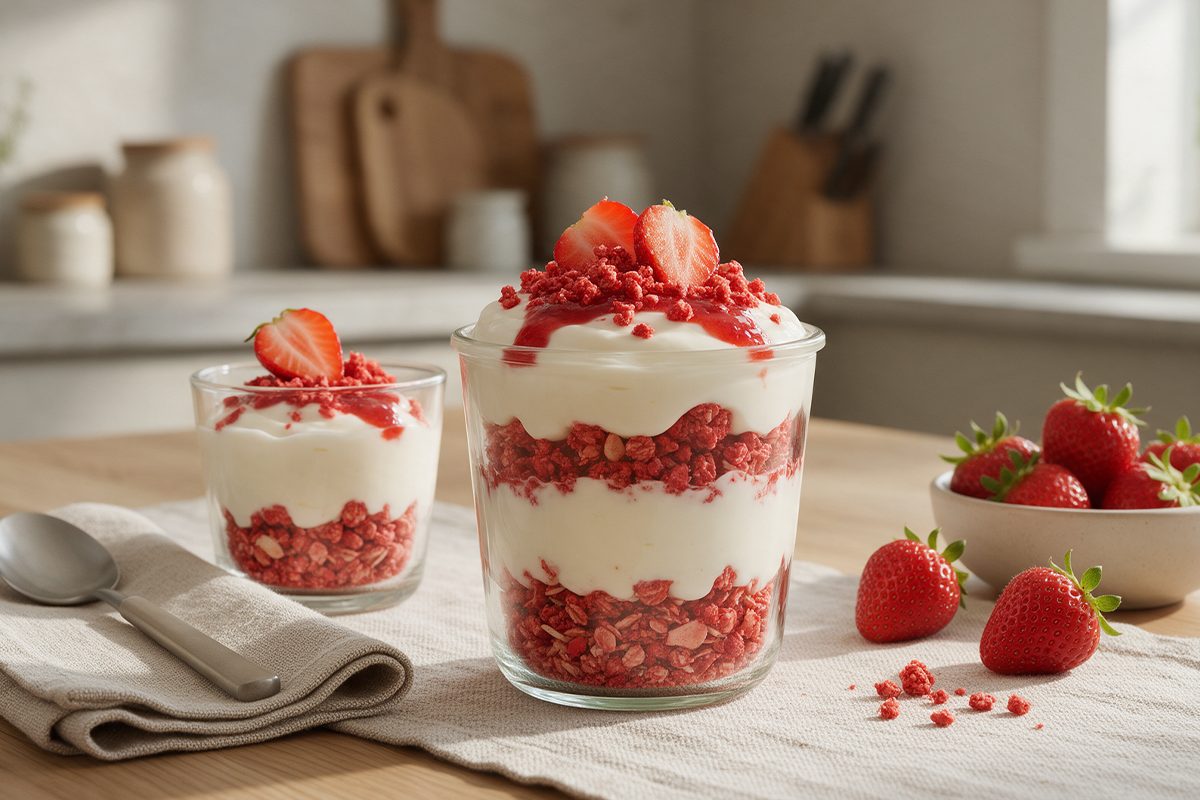
Yoghurt bowls have become a popular breakfast and snack format because they are easy to assemble and can be changed with different toppings. The same idea works beautifully during your fast.
Take thick chilled yoghurt and whisk it until smooth. Add cardamom and a little honey or sugar, depending on your fasting preferences.
Layer the yoghurt with chopped nuts and coconut, and then comes the interesting part. Add freeze dried strawberry slices just before eating. Fresh strawberries can release moisture when they sit in yoghurt for too long. The freeze dried version gives you a crisp fruit layer instead.
You can serve the mixture in small glasses for a festive look or keep it in one bowl for a quick breakfast. For a more dessert style version, add:
- Crushed almonds
- Desiccated coconut
- Cardamom
- A few pomegranate seeds
- Broken strawberry pieces on top
Crunchum's fruit range includes strawberry, mango, blueberry and jamun, so these flavours can be used in different fruit led combinations without turning every recipe into the same yoghurt bowl.
3. Mango Coconut Chia Bowl
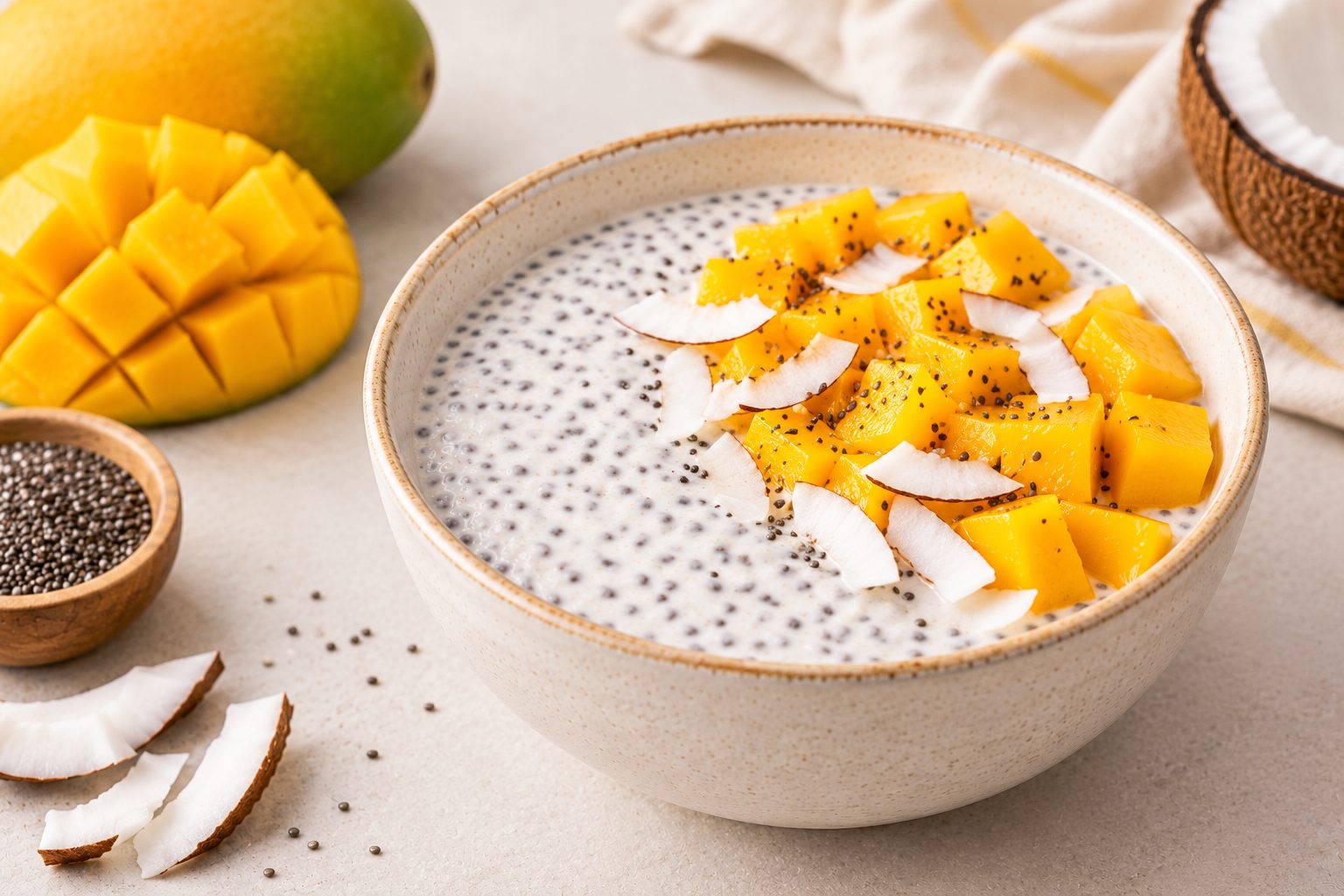
Looking for something that feels a little more contemporary? The overnight yoghurt and chia bowl format is easy to adapt for fasting days where these ingredients fit your personal practice.
Mix chia seeds with milk or yoghurt and leave them to thicken. Add chopped mango, grated coconut and cardamom.
Instead of adding more soft mango, finish the bowl with a few pieces of freeze dried mango. The contrast is what makes this recipe interesting: creamy chia, fresh mango and crisp fruit in the same spoonful.
It also works well as a morning option when you do not want to start the day by cooking a full meal.
4. Jamun and Coconut Dessert Cups
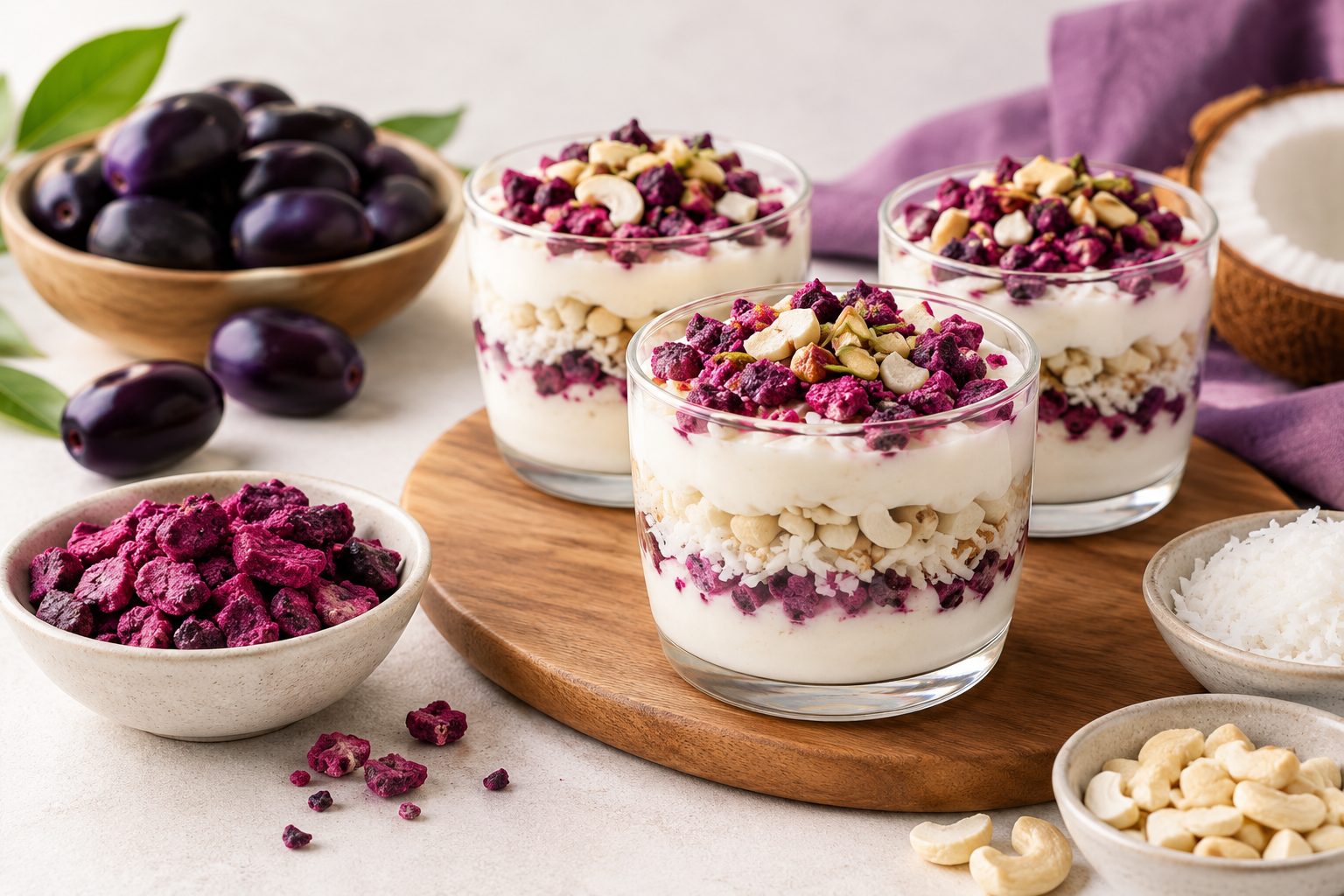
Want a dessert that does not taste like another bowl of kheer? Try individual jamun dessert cups. Fresh jamun has a lovely juicy texture, but that is exactly what can become a problem in a layered yoghurt dessert. Once cut and left sitting with yoghurt, the fruit can release moisture into the creamy layers. The result can become softer and less defined, especially if you prepare the cups a little before serving.
That is where freeze dried jamun works better for this particular recipe. Start with thick yoghurt mixed with a little powdered sugar and cardamom. Add a layer of grated coconut and chopped cashews, then finish with crushed freeze dried jamun.
You get the familiar Indian fruit flavour without introducing the same amount of moisture as fresh fruit. The contrast makes the dessert more interesting: creamy yoghurt, soft coconut, crunchy cashews and crisp jamun in one bite.
5. Makhana Kheer With Strawberry Topping
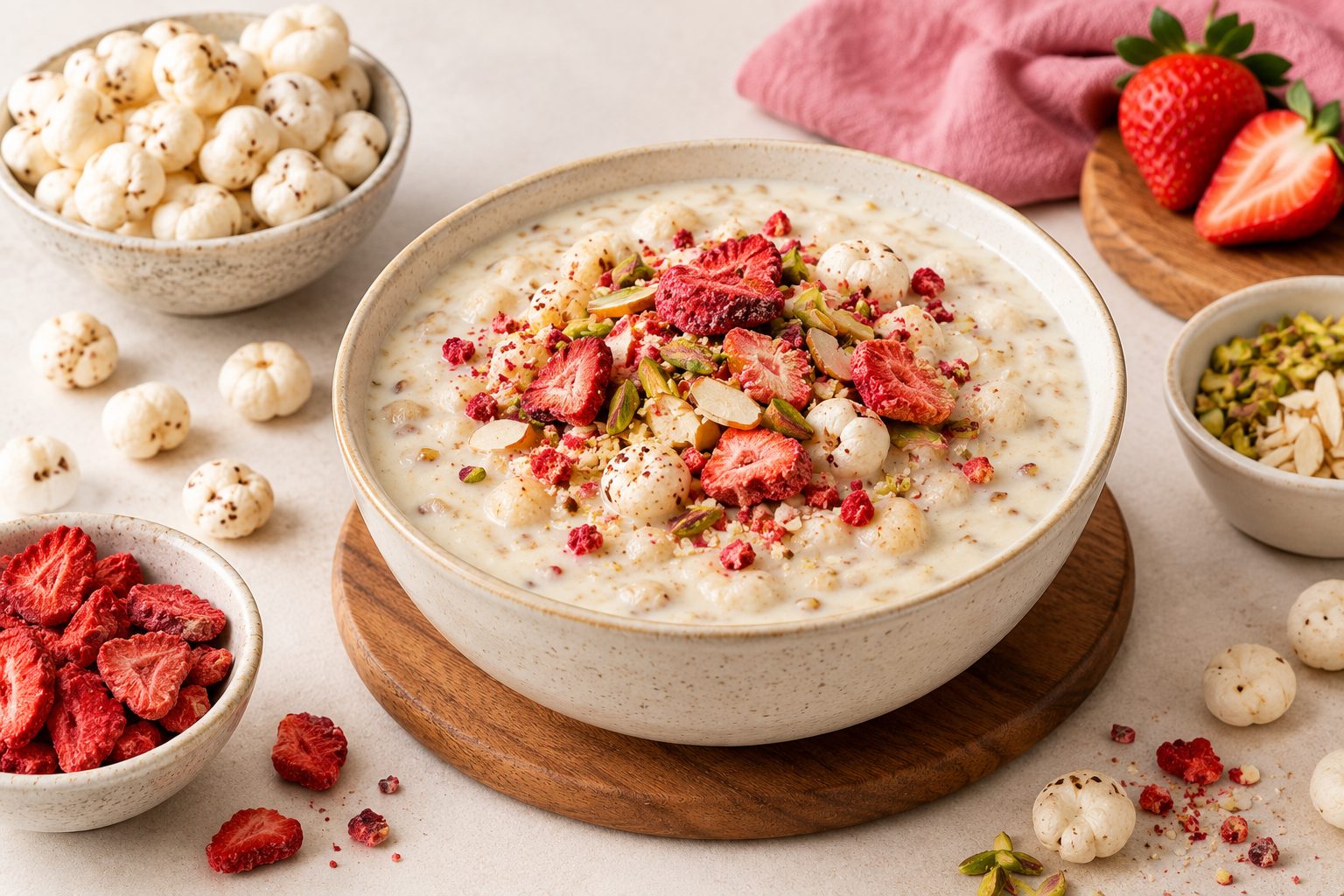
Makhana kheer is already a familiar festive dessert, but you can make it look completely different with a fruit topping.
Roast makhana in ghee until crisp, then crush some and leave the rest slightly larger. Simmer milk with the makhana, cardamom and sugar until the mixture thickens.
Chill it before serving, and instead of finishing with only almonds and pistachios, add a few broken freeze dried strawberry slices. The combination is simple but effective: creamy kheer, soft makhana and a crisp, slightly tangy fruit topping.
6. Makhana and Fruit Trail Mix
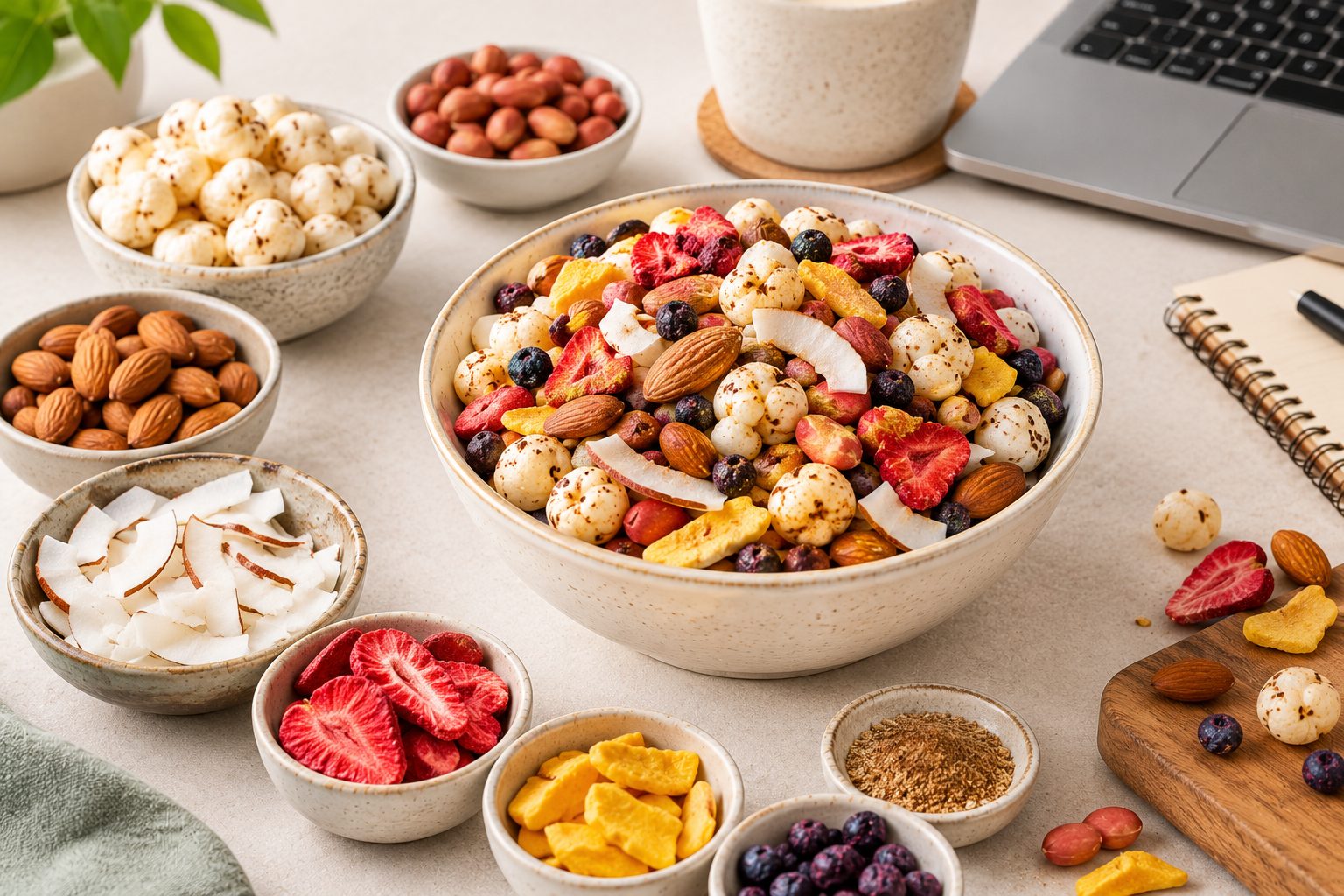
Need something you can keep beside your laptop while working? Make a quick, fast friendly trail mix using roasted makhana, peanuts, almonds, coconut chips and fruit. You can add:
- Freeze dried mango slices
- Freeze dried strawberry
- Freeze dried blueberry
- Roasted coconut
- A pinch of roasted cumin powder
Keep the mixture dry and add the fruit just before portioning. This is particularly convenient because freeze dried fruit is light and does not bring the moisture associated with fresh fruit.
7. Sabudana Khichdi With Peanut Crunch
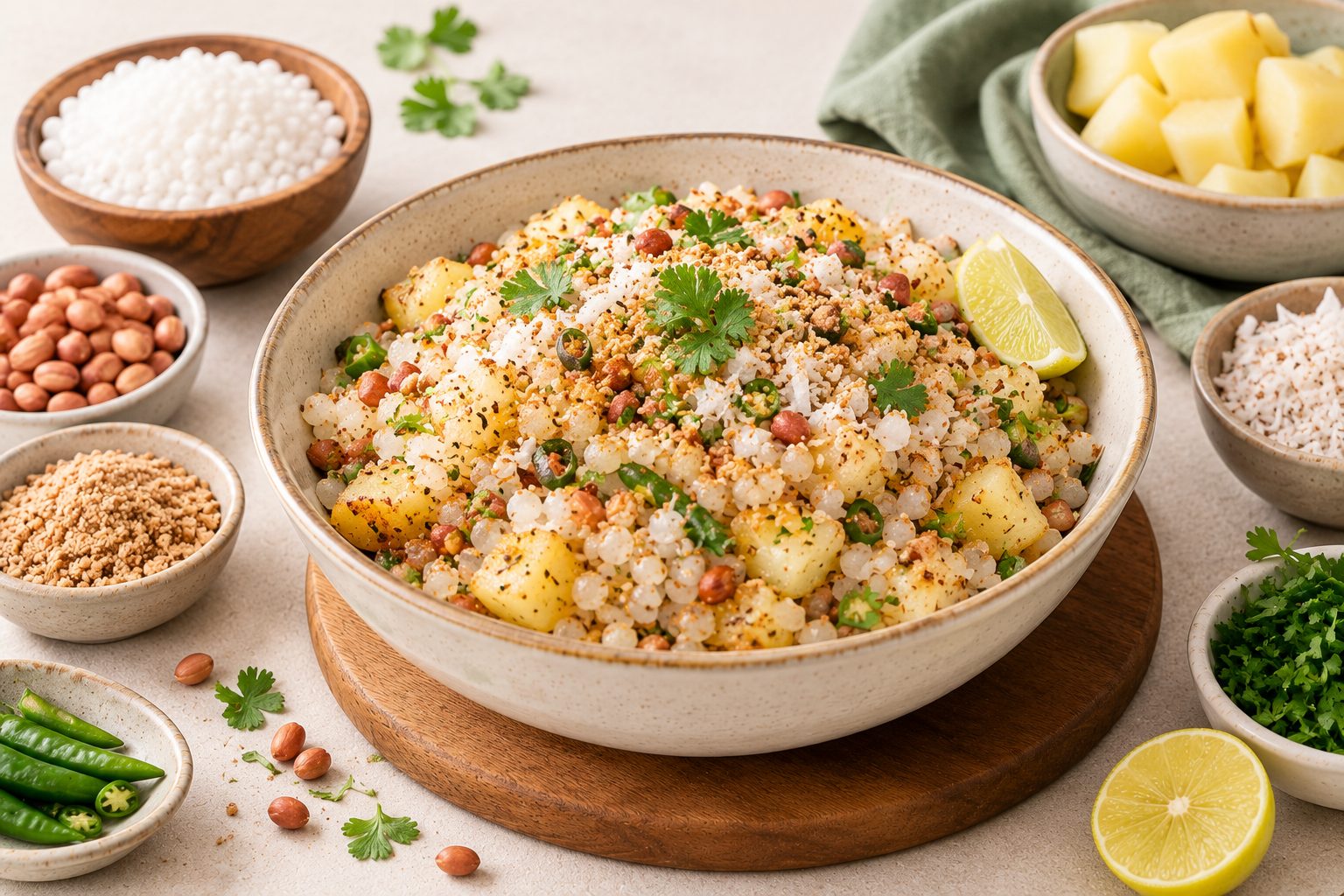
Sabudana khichdi is probably one of the first dishes people think of when they hear vrat ka khana. But it does not have to taste the same every time. Here is how to make it a little better and tastier this time.
Soak sabudana until the pearls become soft but remain separate. Drain them well and mix with roasted crushed peanuts, boiled potato cubes, green chilli, cumin and sendha namak.
Heat ghee, add cumin and green chilli, then add the potato and cook until lightly golden. Then add the sabudana mixture and toss gently.
Here is the small trick that makes a difference: do not overcook the sabudana. Once the pearls turn translucent, take the pan off the heat. Overcooking can make the khichdi sticky.
Finish with:
- Roasted peanut powder
- Fresh coriander, if followed in your fasting practice
- A squeeze of lemon
- A little grated coconut
The roasted peanut powder gives the soft khichdi a slightly nutty texture, making the dish feel more substantial without changing its familiar flavour.
8. Kuttu Chilla With Paneer and Coriander
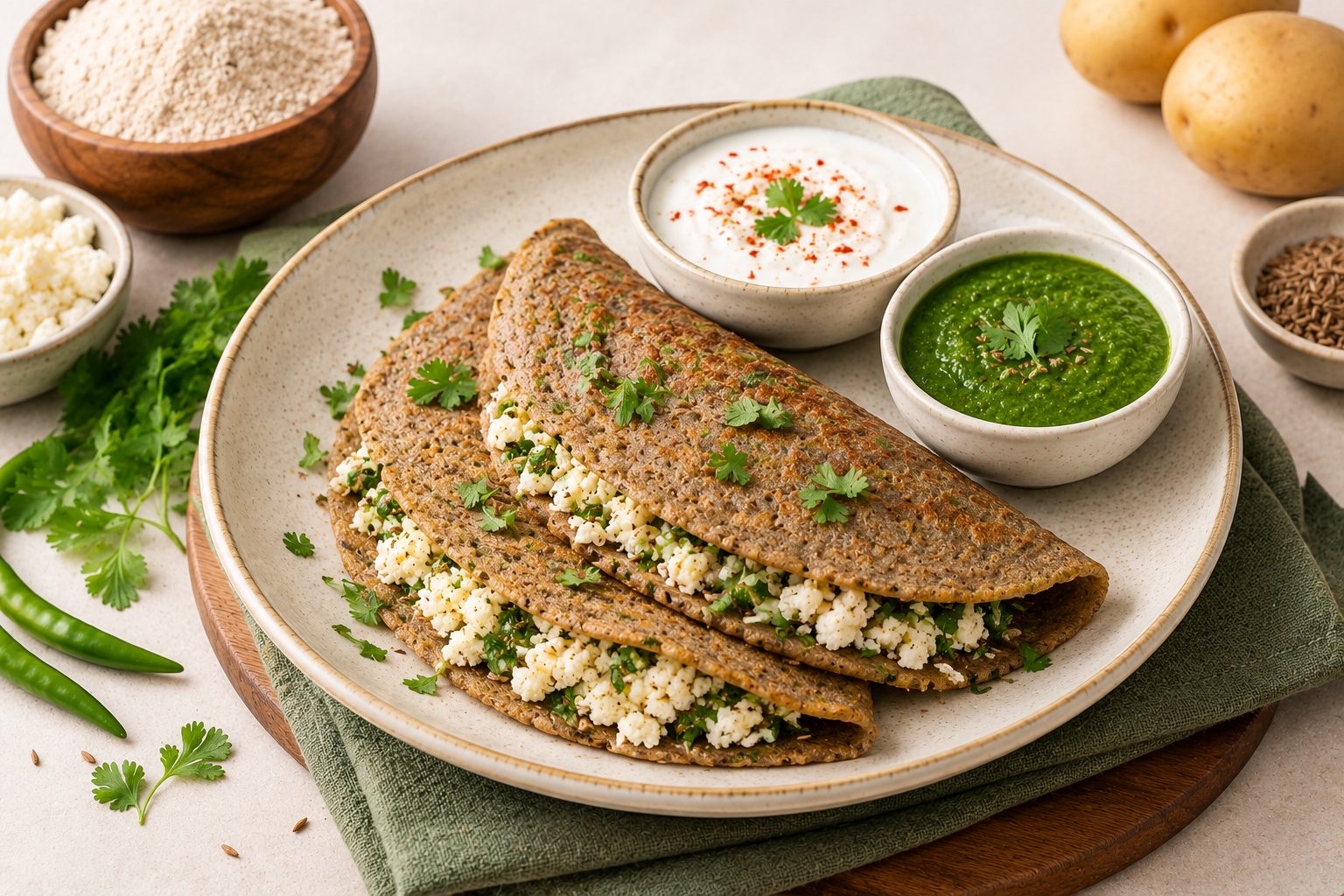
If you want something different from puri during your fast, try a kuttu chilla. Mix buckwheat flour with water to make a smooth batter. Add mashed potato, cumin, chopped green chilli and sendha namak. Pour a thin layer onto a hot tawa and cook with a little ghee.
For the filling, crumble paneer with black pepper, roasted cumin and coriander. Place it inside the chilla, fold and cook for another minute.
Why does this work so well for a busy morning? Because the batter can be prepared ahead and the filling takes only a few minutes. You can also make smaller chillas and pack them for an office lunchbox. Serve them with plain yoghurt or a coriander chutney.
9. Samak Rice Pulao With Pumpkin and Peanuts
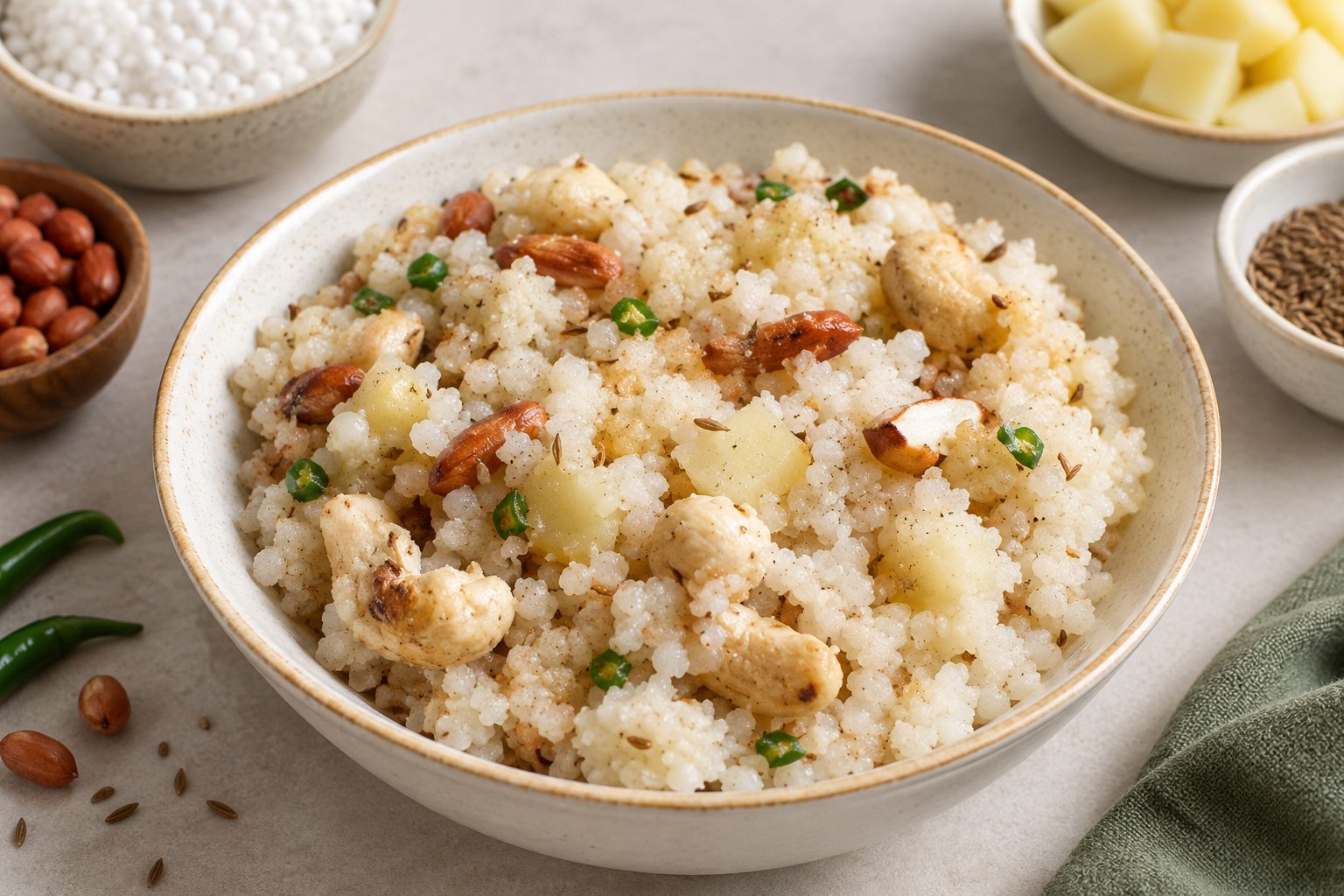
Samak rice is a useful change when you have already had too many potato and sabudana dishes.
Rinse the samak rice and cook it until the grains are tender but not mushy. In another pan, heat ghee and add cumin, chopped pumpkin and a few peanuts. Cook until the pumpkin softens and the edges lightly caramelise.
Add the cooked rice, sendha namak and black pepper and toss everything together. The pumpkin gives the pulao a gentle sweetness, while the peanuts add crunch. You can also add small cubes of paneer if you want a more filling version.
This is one of those upvas food recipes that works for lunch without feeling like a compromise meal.
10. Sweet Potato and Pomegranate Chaat
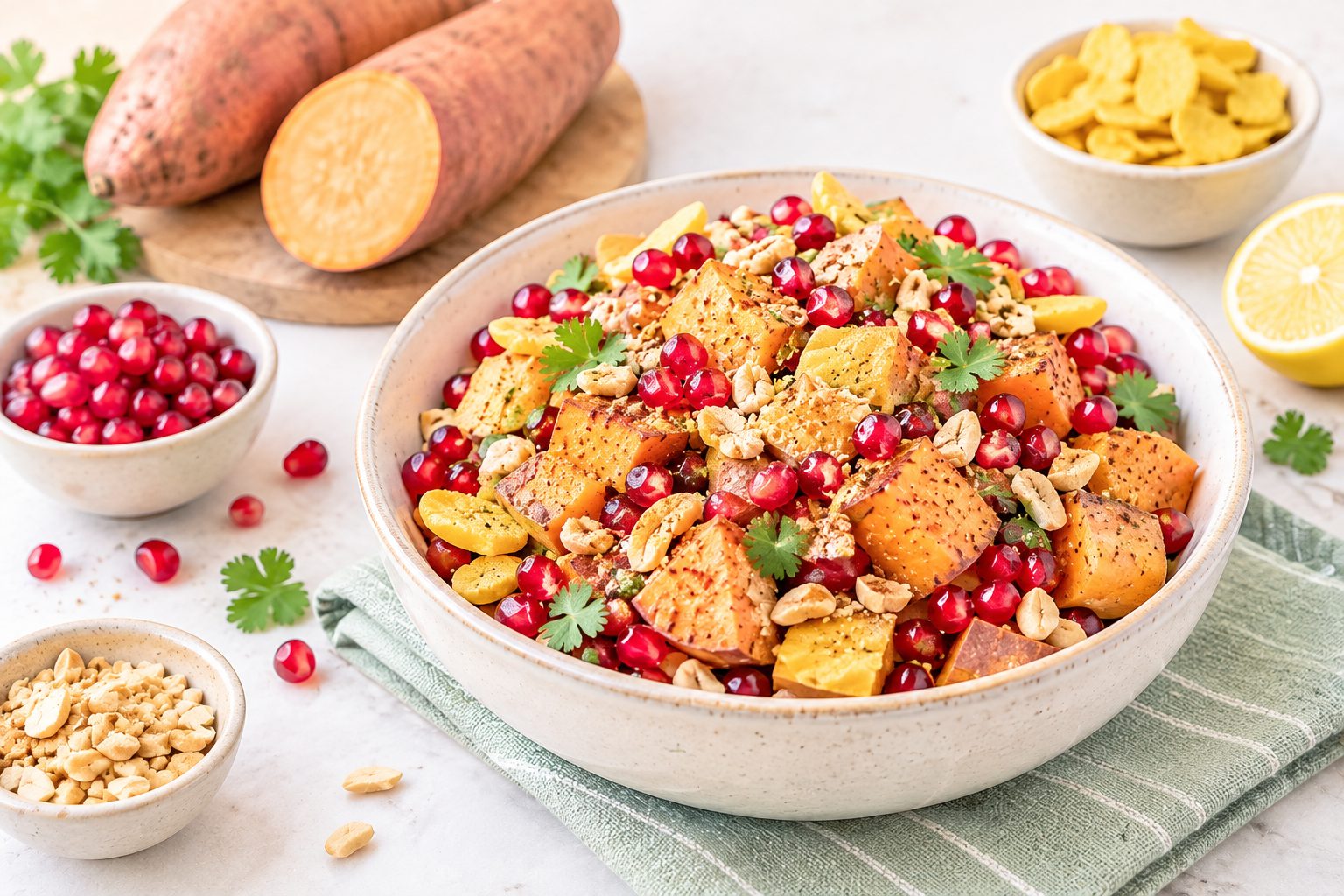
Sweet potato is another useful ingredient when you want to move away from recipes that lean heavily on potato.
Roast or boil sweet potato, then cut it into bite sized pieces. Add pomegranate, lemon juice, roasted cumin, sendha namak and chopped peanuts.
For extra texture, add a few pieces of freeze dried mango just before serving. This works particularly well as an evening snack because it combines soft sweet potato with juicy pomegranate and crisp fruit.
The key is timing. Add the crunchy ingredients at the end so they do not absorb moisture from the chaat.
Final Thoughts
Vrat ka khana does not have to mean repeating the same recipes in the same form every time you fast. The easiest way to keep your menu interesting is to work with familiar ingredients and change the way you prepare them.
This makes it easier to manage falahari meals alongside work, family responsibilities and the rest of your routine.
For those little finishing touches, Crunchum freeze dried fruits can also bring a different texture to familiar recipes. With options including mango, strawberry, blueberry, jamun and chikoo, you can experiment with different combinations while keeping the recipes simple.
Whether you are fasting during Navratri, observing Ekadashi or following another tradition, a little variety in preparation, flavour and texture can make your fasting menu more enjoyable. Instead of asking, "What else can I eat during my fast?", try asking, "How can I make the ingredients I already eat more interesting?"
Frequently Asked Questions
1. What are the best falahari foods to eat during a vrat?
Popular falahari options include sabudana khichdi, kuttu chilla, samak rice pulao, roasted makhana, fruit chaat, sweet potato chaat and singhara halwa. These offer a variety of savoury and sweet options.
2. Which flour is used to prepare falahari recipes?
Buckwheat flour (kuttu atta) and water chestnut flour (singhara atta) are commonly used to prepare fasting dishes such as chillas, puris and halwa. Check whether these flours are permitted during your particular fast.
3. What are some easy falahari snacks to prepare at home?
Fruit chaat, peanut trail mix and yoghurt with fruit are easy snacks. They require minimal preparation and can be adapted to suit your fasting preferences.
4. Can fruits and dry fruits be eaten during a vrat?
Fresh fruits, almonds, cashews, raisins and other nuts are commonly included in falahari diets. However, individual fasting practices may differ, so check which ingredients are permitted.
5. How can I make falahari vrat food more interesting?
Try changing the texture and presentation of familiar dishes. Add roasted peanuts to sabudana khichdi, prepare stuffed kuttu chillas, or top yoghurt bowls and desserts with freeze dried mango, strawberry or jamun for a fruity crunch.